
My practice blends business design, strategic foresight, strategic planning, and change management, so we’re not just asking what you want to do next, but how your whole system needs to shift to make that real.
Organizations bring me in when disruption exposes the gaps between strategy, operations, and culture. The plan says one thing, people are doing another, and no one’s quite sure why it’s so hard to move from intent to action. My consulting work lives at the systems level—mapping how work, decisions, communication, and leadership actually operate, naming the elephants, and co-designing better ways for your people to work.
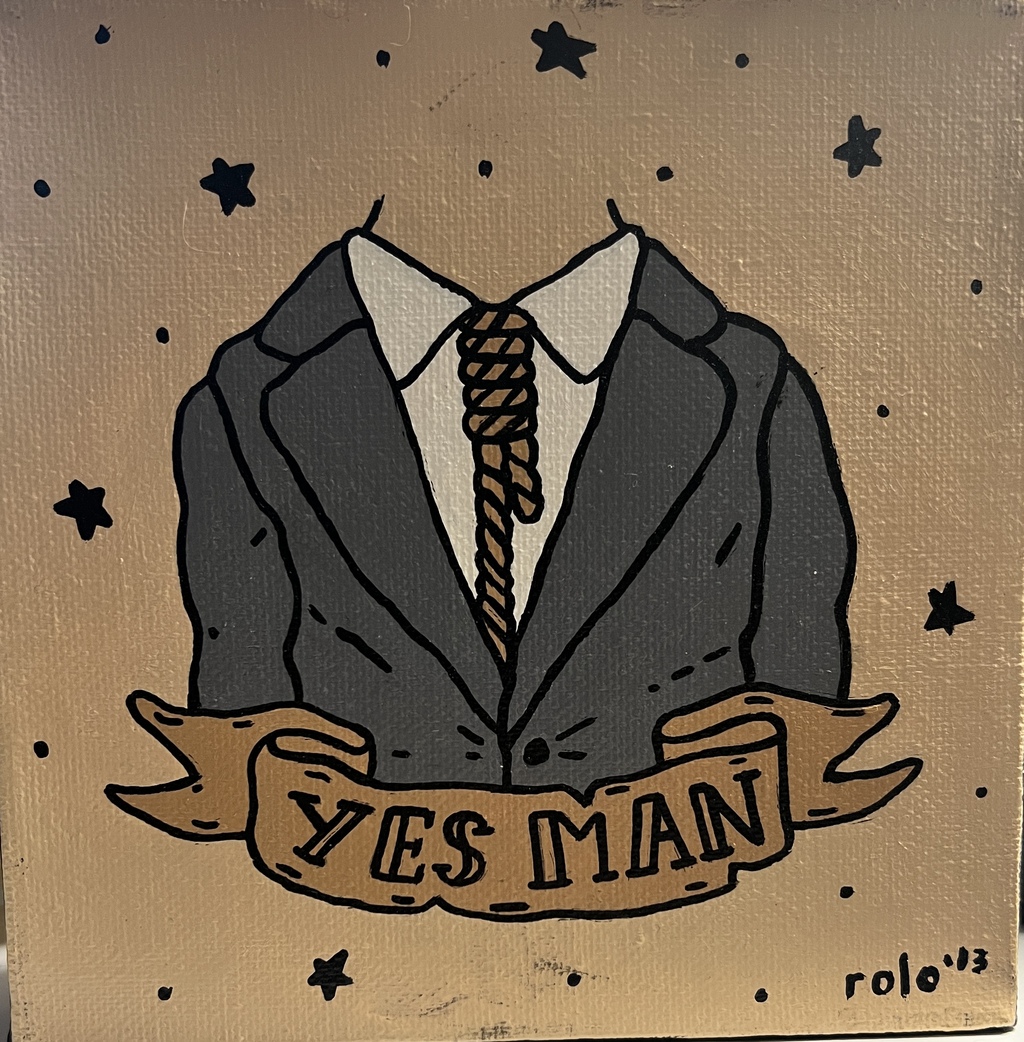
...you just want a slide deck that blesses the status quo, I’m not it.
As a Business Designer, I don’t come in with a pre-packaged solution; I come in with questions and a structure for exploring them. I bring a research background that blends contextualized hindsight and data-informed forecasting, with insights that are formed by thousands of data points—strategic plans, interviews, program evaluations, economic data, and lived experience from people inside the system.
Don’t hire me if you’re not ready to be vulnerable. This work means naming what isn’t working, surfacing the things people only say off the record, and pausing the rush to a pre-baked solution.
The work is always customized, but it tends to fall into a few familiar shapes.
A focused audit to understand where your system is out of sync
Interviews, system mapping, and leadership reviews that surfaces the friction and what needs to change. You leave with a clear picture of the issues and a realistic roadmap for fixing them.
For organizations feeling the strain of disruption—or seeing it on the horizon
Over a set period, working with a core group of leaders and practitioners to frame the disruption you’re facing and what it means for your system, identifying where strategy, operations, and culture are misaligned, and then co-designing practical changes to how work gets done in a specific area (a program, a team, a function).
For economic development actors and organizations building programs that move people from instability into sustainable work
Designing or refining program models, participant pathways, and employer partnerships so they’re doable, measurable, and grounded in real constraints.
Keynotes, panels, and leadership sessions on disruption, adaptive leadership, and building systems that don’t leave experienced talent behind. Often paired with a private working session for your leadership team to apply the ideas to your context.
Practitioner in Flourishing Business Model Design (FBMD)
Completed in 2024 and led by Flourishing Startups, EIT-Climate-KIC and Social Innovation at Georgian College.
In practice, that means when we work together, we’re not just tweaking org charts or strategies in isolation. We’re designing business models that consider all your stakeholders, look at social, environmental, and financial outcomes together, and make your assumptions visible so we can actually test them. The result is a more honest, future-fit way of doing strategy and program design—especially useful for economic development teams, NFPs, and enterprises trying to navigate disruption without losing sight of the communities and ecosystems they depend on.
You can learn more about the model and the program at Flourishing Business